
Smart Automation in Air Compressors – The Future of Efficiency | Expert Guide
Posted On November 15, 2025
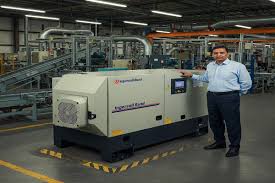
Smart Automation in Air Compressors – The Future of Efficiency | Expert Guide
Industrial air compressors have come a long way from simple mechanical machines. Today, smart automation is transforming how compressors operate, consume energy, and maintain long-term reliability. With advanced sensors, intelligent software, IoT connectivity, and automated controls, modern compressors are becoming smarter, faster, and more efficient than ever.
If your business still relies on older, manually controlled air compressors, you're missing out on huge efficiency gains. Let’s break down how smart automation is shaping the future of compressed air systems.
Why Smart Automation Matters
Compressed air is expensive—sometimes the single biggest energy cost in an industrial facility.
Smart automation helps reduce that cost by monitoring, optimizing, and controlling system behavior in real time.
Key advantages:
-
Lower energy consumption
-
More stable pressure
-
Reduced downtime
-
Longer equipment life
-
Predictive maintenance
-
Remote monitoring and management
In simple terms: More output, less waste.
How Smart Automation Improves Compressor Efficiency
1. Intelligent Real-Time Adjustments
Modern automated systems continuously analyze:
-
pressure demand
-
airflow changes
-
temperature variations
-
load requirements
Based on this data, the system automatically adjusts compressor speed, output, and operating cycles.
No more guesswork. No more energy waste.
Example:
Demand drops → compressor slows down
Demand spikes → compressor boosts immediately
Efficiency becomes automatic.
2. Variable Speed Drive (VSD) Optimization
VSD technology is one of the biggest breakthroughs in compressor automation.
What it does:
-
Adjusts motor speed based on real demand
-
Avoids unnecessary full-load running
-
Eliminates energy waste during low-demand periods
VSD + automation = the highest efficiency possible.
3. Predictive Maintenance Powered by Sensors
Instead of waiting for breakdowns, smart compressors predict them.
Advanced sensors track:
-
vibration
-
heat
-
pressure fluctuations
-
oil quality
-
motor health
-
filter condition
When something goes wrong, the system alerts you before a failure happens.
Benefits:
-
fewer emergency shutdowns
-
reduced repair cost
-
increased productivity
Predictive maintenance keeps the compressor healthy and running longer.
4. Remote Monitoring and IoT Control
Smart compressors connect to the cloud, letting you manage everything from a computer or phone.
You can view:
-
energy usage
-
daily performance data
-
maintenance alerts
-
air demand patterns
-
pressure graphs
You can even remotely adjust settings.
Perfect for facilities where uptime and fast response matter.
5. Automated System Integration
Smart air compressors integrate with:
-
SCADA
-
PLC systems
-
building management systems (BMS)
-
smart factory automation platforms
This transforms the compressor into a connected device within the entire facility ecosystem.
It ensures the air system stays optimized with minimal human intervention.
6. Improved Pressure Stability
Automation ensures the compressor maintains consistent pressure—even during sudden demand changes.
This helps:
-
reduce product defects
-
protect pneumatic tools
-
improve production speed
-
prevent machine downtime
Stable pressure = stable performance across the entire operation.
7. Reduced Environmental Impact
Automation reduces wasted energy, meaning lower CO₂ emissions and greener operations.
For companies aiming for sustainability targets, smart compressors offer a major advantage.
The Future: Fully Autonomous Compressed Air Systems
The next generation of air compressors will be:
-
self-learning
-
fully connected
-
adaptive
-
self-correcting
-
energy-optimized
With AI-driven algorithms, compressors will soon predict demand patterns, auto-adjust settings, and optimize the entire air network without human input.
The future of compressed air is smart, automated, and ultra-efficient.
Conclusion
Smart automation is the new standard for industrial air compressors. It reduces energy costs, improves reliability, and creates a more sustainable and productive environment.
If you're aiming for maximum efficiency, minimum downtime, and long-term cost savings, upgrading to a smart automated compressor is not just an option—it’s the future.