Industrial Cleaning Machines vs Manual Cleaning
Posted On November 16, 2025
Industrial Cleaning Machines vs Manual Cleaning
When it comes to cleaning large industrial spaces, factories, or warehouses, businesses often face a tough decision: should they opt for industrial cleaning machines or stick with traditional manual cleaning methods? Each approach has its advantages and challenges, and choosing the right one depends on factors like the size of the space, budget, time constraints, and the desired level of cleanliness.
In this article, we’ll explore the key differences between industrial cleaning machines and manual cleaning, helping you decide which method best suits your needs.
1. Efficiency and Time-Saving
Industrial Cleaning Machines
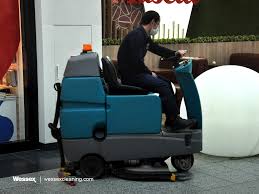
Industrial cleaning machines, such as floor scrubbers, sweepers, and pressure washers, are designed to handle large spaces quickly and effectively. These machines can cover much more ground in a shorter amount of time compared to manual cleaning methods. Whether you’re dealing with large warehouses, factories, or airports, cleaning machines help reduce downtime and increase operational efficiency.
Manual Cleaning
Manual cleaning, while effective for smaller areas or spot cleaning, can be time-consuming for larger industrial spaces. Cleaning large floors, high ceilings, and extensive machinery manually requires significant labor hours, making it less efficient compared to machine-based cleaning.
2. Labor and Cost Considerations
Industrial Cleaning Machines
The upfront cost of purchasing industrial cleaning machines can be high, but the long-term savings in labor costs can offset this expense. These machines can reduce the need for a large cleaning crew, making them a more cost-effective solution in the long run. Additionally, these machines often require less training to operate than skilled manual cleaners.
Manual Cleaning
Manual cleaning requires a workforce, meaning that you need to factor in wages, training, and potential overtime costs. For small to medium-sized businesses, the initial labor costs might be lower than purchasing a cleaning machine. However, for larger facilities, the labor costs can add up quickly, especially if the cleaning tasks are frequent and time-consuming.
3. Quality of Cleaning
Industrial Cleaning Machines
Industrial cleaning machines are designed for high performance and often deliver more consistent and thorough cleaning results. These machines are equipped with specialized brushes, suction systems, and cleaning solutions that can clean large surfaces more effectively than manual labor. For example, floor scrubbers can remove dirt, grime, and stains from industrial floors, ensuring a high standard of cleanliness.
Manual Cleaning
Manual cleaning can be effective when performed correctly, but it often lacks the precision and thoroughness that industrial machines provide. Human cleaners may miss spots or may not be able to remove certain types of dirt or grime as effectively as a machine. However, for specific or delicate areas, manual cleaning might be the best option.
4. Flexibility and Adaptability
Industrial Cleaning Machines
While industrial cleaning machines are highly efficient, they might not be suitable for every type of cleaning job. Some machines are designed for specific tasks, such as floor cleaning or pressure washing, and may not be versatile enough for other cleaning needs. However, many modern machines come with attachments and customizable features, allowing them to be adapted for various applications.
Manual Cleaning
Manual cleaning offers maximum flexibility, as it can be applied to virtually any surface or space. Whether it’s a delicate piece of equipment, a narrow corner, or high surfaces that machines can’t reach, manual cleaning allows for more detailed and targeted attention. However, this flexibility comes with a tradeoff in terms of time and labor intensity.
5. Environmental Impact
Industrial Cleaning Machines
Industrial cleaning machines, especially those that use water, chemicals, or power equipment, can have a significant environmental impact. However, many modern machines are designed with sustainability in mind, featuring energy-efficient motors, water-saving features, and eco-friendly cleaning solutions. Some machines even allow for chemical-free cleaning, reducing the environmental footprint.
Manual Cleaning
Manual cleaning can be environmentally friendlier if done with non-toxic, biodegradable cleaning agents. However, the environmental impact of manual cleaning depends on the materials used, such as sponges, rags, and detergents. With manual cleaning, it’s easier to control the amount of cleaning solution used, potentially reducing waste.
6. Maintenance and Upkeep
Industrial Cleaning Machines
While industrial cleaning machines offer superior efficiency, they require regular maintenance and repair. Depending on the model, machines may need servicing to keep them running smoothly. This includes checking the motors, brushes, and other parts, which can add to ongoing operational costs.
Manual Cleaning
Manual cleaning tools such as brooms, mops, and rags require less maintenance than industrial machines. However, they may need to be replaced over time, especially if they wear out or become ineffective. There’s also the potential for wear and tear on your cleaning staff, especially for large-scale or repetitive tasks.
7. Safety Considerations
Industrial Cleaning Machines
Safety is a top priority when operating industrial cleaning machines. Although modern machines are designed with safety features, such as automatic shut-offs and non-slip surfaces, operators must be trained to use them properly. Misuse can result in accidents, damage to property, or injury to staff.
Manual Cleaning
Manual cleaning is generally safer in terms of avoiding machinery-related accidents. However, there are still safety concerns, such as slipping on wet floors, lifting heavy equipment, or using harsh chemicals. Proper training and the use of personal protective equipment (PPE) can minimize risks.
Conclusion: Which Option is Best for You?
Ultimately, the choice between industrial cleaning machines and manual cleaning depends on the size and nature of your facility, the frequency of cleaning, and your budget. For large-scale operations that require frequent, efficient cleaning, industrial machines offer a clear advantage in terms of time and labor savings. On the other hand, for smaller spaces, or when cleaning requires a more customized approach, manual cleaning may be the better option.
By evaluating your unique needs and resources, you can make an informed decision that will improve your facility’s cleanliness and operational efficiency.