
How Replacement Schedules Can Prevent Unexpected Compressor Failures
Posted On November 16, 2025
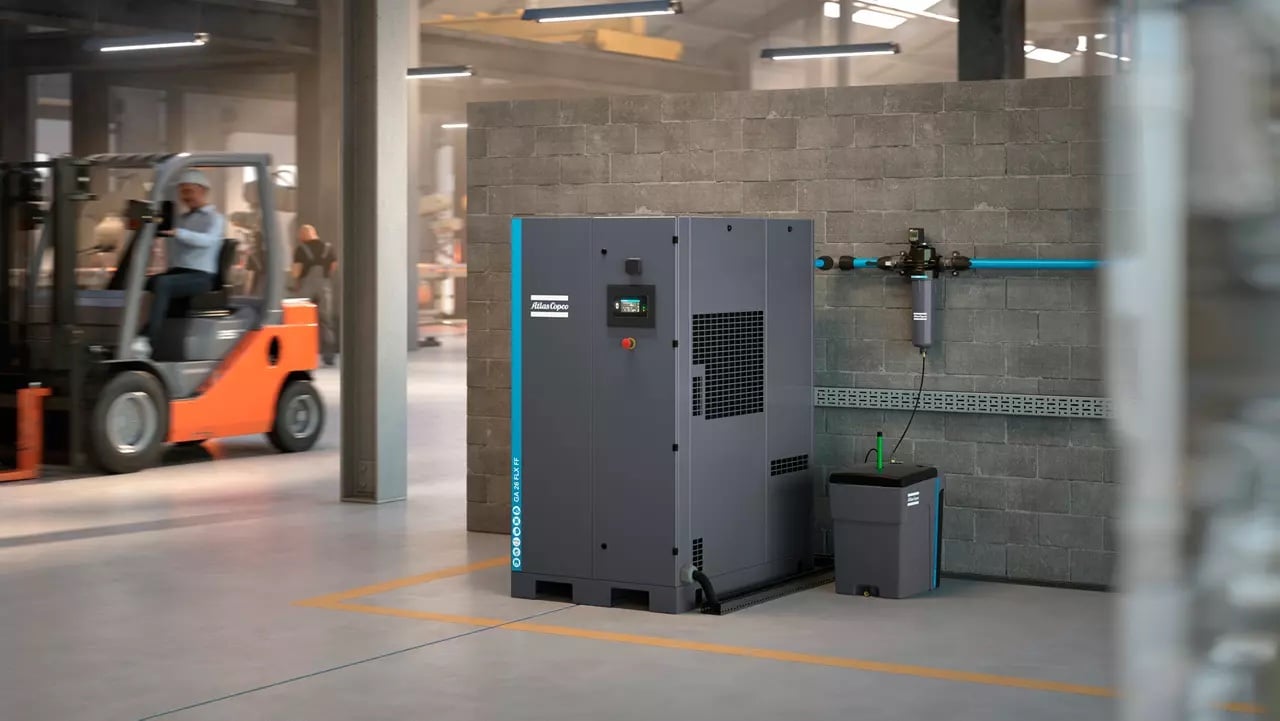
How Replacement Schedules Can Prevent Unexpected Compressor Failures
Compressors are critical components in a wide range of industrial systems, from HVAC units to manufacturing machinery. When compressors fail unexpectedly, the consequences can be costly—ranging from expensive repairs and downtime to production delays and loss of business. To prevent such failures, a well-planned compressor replacement schedule is essential. In this article, we’ll explore how regularly replacing compressors as part of a proactive maintenance plan can help minimize the risk of failure, extend equipment lifespan, and improve overall operational efficiency.
1. The Importance of Predictive Maintenance
The key to preventing unexpected compressor failures lies in predictive maintenance, which uses data and historical performance metrics to forecast potential issues before they occur. By setting up a systematic replacement schedule, businesses can replace compressors before they reach the end of their useful life, reducing the likelihood of sudden breakdowns.
With predictive maintenance, you can monitor factors such as:
-
Wear and tear: Over time, compressor components degrade. Monitoring the wear rate can help identify when a compressor is nearing the end of its serviceable life.
-
Energy consumption: A rise in energy use can indicate a compressor is working harder than usual, which may be a sign that parts are wearing out.
-
Operating temperatures: Excessive heat can be a sign of impending failure due to friction or lubrication issues.
Using this data, you can better time compressor replacements to ensure that your equipment operates at optimal efficiency and avoid unscheduled shutdowns.
2. Extending the Life of Other Equipment
Compressors do not operate in isolation; they are part of larger systems that depend on their proper functioning. If a compressor fails unexpectedly, it can cause a ripple effect throughout the system. For example, sudden failure might lead to:
-
Overstressed components: Other equipment may bear the brunt of the added workload, which can accelerate wear and lead to additional repairs.
-
System damage: In extreme cases, the failure of a compressor can damage sensitive system components, increasing maintenance costs and downtime.
By sticking to a well-structured replacement schedule, businesses can help ensure that all components of the system stay in good working order, preventing unnecessary strain on other equipment.
3. Reducing Unscheduled Downtime
One of the most significant consequences of compressor failure is unscheduled downtime. For businesses that rely on compressors for daily operations, even a few hours of downtime can result in lost revenue, missed deadlines, and disgruntled customers.
Implementing a replacement schedule can significantly reduce the likelihood of unexpected failures. By scheduling timely replacements, businesses can:
-
Plan for downtime during off-peak hours, minimizing disruption to operations.
-
Ensure that replacement parts are readily available, reducing the time spent waiting for repairs.
-
Avoid the sudden breakdown of critical systems that could halt production and cause delays.
Being proactive about compressor replacement also allows for smoother transitions when it’s time to install new equipment, as the process can be planned in advance with minimal operational disruption.
4. Improving Energy Efficiency
Old or inefficient compressors tend to consume more energy, leading to higher operational costs. As compressors age, their performance degrades, and they require more power to maintain the same level of performance. By replacing compressors according to a well-defined schedule, you can avoid the energy inefficiencies associated with older models.
The benefits of replacing compressors include:
-
Reduced energy consumption: Newer models are often more energy-efficient, leading to lower electricity bills.
-
Environmental benefits: By improving efficiency, you can also reduce your carbon footprint, contributing to more sustainable operations.
Energy savings can help offset the cost of regular compressor replacement and even improve your company’s bottom line over time.
5. Minimizing Repair Costs
The cost of repairing an aging compressor can be significant, especially if the repairs are extensive. When a compressor begins to fail, it often requires frequent repairs to keep it running, which can add up quickly.
By adhering to a replacement schedule, you avoid the need for costly repairs and replacement parts. A proactive approach to compressor maintenance means you're less likely to encounter the expensive repair bills associated with sudden, catastrophic failures. Moreover, replacing a compressor before it fails allows you to budget for the replacement cost rather than being caught off guard by emergency expenses.
6. Ensuring Compliance with Industry Standards
In many industries, compressors must meet specific performance and safety standards. An aging compressor may not meet these standards, leading to compliance issues. For example:
-
Regulatory standards: Failure to maintain compressors according to industry regulations can result in penalties, fines, or even the shutdown of operations.
-
Workplace safety: Faulty compressors pose safety risks to operators and other personnel. Over time, older compressors are more likely to fail in dangerous ways, such as leaking gas or causing fires.
A regular replacement schedule helps ensure that your compressors are up to code and compliant with all safety regulations. It also mitigates safety risks by reducing the likelihood of sudden breakdowns.
7. Making Smarter Budgeting Decisions
While replacing compressors regularly involves upfront costs, a structured replacement schedule allows you to make smarter, more predictable budgeting decisions. With the knowledge of when a compressor is expected to reach the end of its useful life, you can plan for replacements as part of your long-term budget.
The costs of replacement can be spread out over time, avoiding the financial strain of unexpected repairs or replacements. Moreover, the cost savings gained through reduced downtime, energy efficiency, and fewer repairs contribute to a better overall return on investment.
How to Create an Effective Replacement Schedule
-
Assess the lifespan of your compressors: Manufacturers often provide estimates of a compressor’s lifespan, which can help guide your replacement schedule. However, operational conditions such as usage patterns and maintenance can affect the actual lifespan.
-
Monitor performance data: Use data from predictive maintenance tools to track key performance indicators (KPIs), such as energy consumption and pressure levels. This data will help you determine when a compressor is approaching the end of its life.
-
Plan for regular check-ups: Schedule regular inspections and performance evaluations to detect any signs of wear early. Catching small issues before they become large problems can extend the lifespan of your compressor and reduce the need for urgent replacements.
-
Integrate replacements into your capital budget: Treat compressor replacements as a planned capital expense rather than an emergency fix. This allows for smoother financial planning and reduces the risk of unexpected costs.
Conclusion: Preventing Unexpected Compressor Failures
A well-managed compressor replacement schedule is a vital part of any successful maintenance strategy. By replacing compressors on time, businesses can avoid unexpected breakdowns, reduce repair and energy costs, extend the lifespan of their equipment, and minimize downtime. While it may require upfront planning and investment, the long-term benefits of scheduled replacements far outweigh the risks associated with reactive maintenance.
Adopting a proactive approach to compressor management will ensure the efficiency and reliability of your systems, keeping operations running smoothly and cost-effectively.