
Compressor Spare Parts Inventory Checklist for Factory Managers
Posted On November 16, 2025
Compressor Spare Parts Inventory Checklist for Factory Managers
Compressor systems are the backbone of many industrial operations, from manufacturing plants to refrigeration units. When a compressor fails, it can lead to costly downtime, delayed production, and extensive repair costs. A well-maintained spare parts inventory is crucial for preventing such disruptions. Factory managers who manage compressors need to have the right parts on hand to address potential issues quickly.
In this article, we provide a comprehensive checklist to help factory managers keep their compressor spare parts inventory organized and ready for action.
Why a Spare Parts Inventory is Crucial
Having a ready supply of critical compressor spare parts offers several benefits:
-
Minimizes downtime: Quick access to replacement parts allows for faster repairs, reducing production delays.
-
Cost savings: Buying spare parts in bulk or in advance often results in cost savings compared to emergency purchases.
-
Improved efficiency: A well-organized inventory ensures you can quickly identify and replace worn-out parts without the need for prolonged troubleshooting.
-
Better maintenance: Regularly monitoring and updating spare parts helps maintain compressor systems in peak condition, preventing preventable failures.
Key Compressor Spare Parts to Keep in Inventory
To ensure that your compressors are always operating efficiently, it's essential to have a well-stocked inventory of the most commonly required spare parts. Here’s a checklist of parts that factory managers should consider keeping on hand:
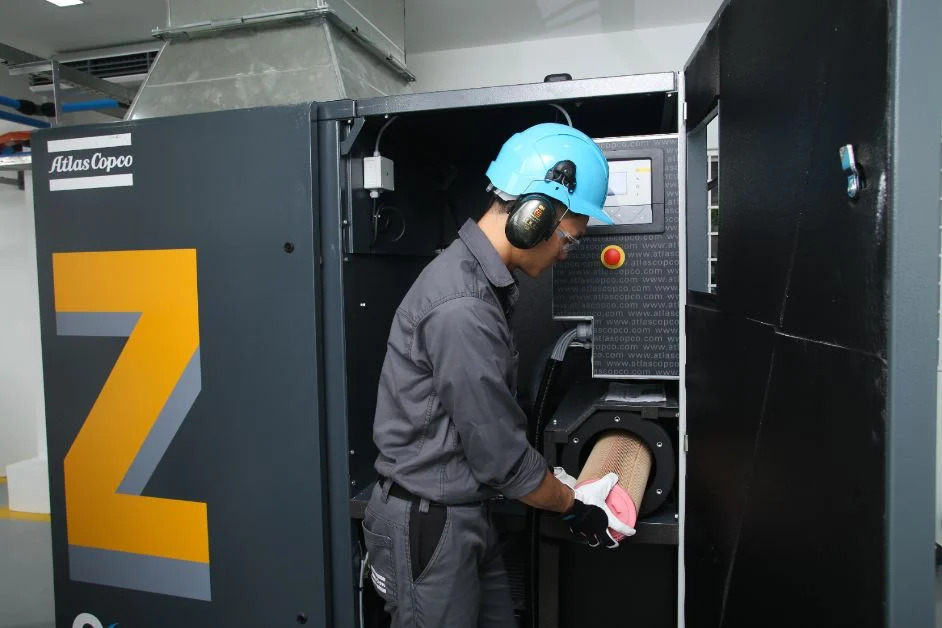
1. Air Filters
-
Why they’re important: Air filters are vital for protecting the compressor from dust and debris, which can lead to excessive wear.
-
When to replace: Replace air filters when they become clogged or damaged, typically after 500 to 1,000 operating hours.
-
Spare parts to keep: A few extra filters of varying sizes to match your compressor specifications.
2. Oil Filters
-
Why they’re important: Oil filters clean the oil circulating through the compressor, ensuring proper lubrication and preventing premature wear.
-
When to replace: Change oil filters at regular intervals, typically every 500 to 1,000 hours of operation.
-
Spare parts to keep: Ensure you have several oil filters for different compressor models and oil types.
3. Oil Seals and Gaskets
-
Why they’re important: Seals and gaskets prevent oil leaks and maintain the internal pressure within the compressor, ensuring efficiency and reducing the risk of damage.
-
When to replace: Inspect seals and gaskets periodically for wear, cracking, or hardening. Replace as needed.
-
Spare parts to keep: A variety of oil seals and gaskets suited for the compressor's make and model.
4. V-Belts and Drive Belts
-
Why they’re important: Belts transfer power from the motor to the compressor pump. Worn-out or broken belts can cause a system failure.
-
When to replace: Belts should be replaced when they show signs of wear, such as cracks, fraying, or stretching.
-
Spare parts to keep: A few commonly used V-belts and drive belts should be stored for quick replacement.
5. Pressure Switches and Sensors
-
Why they’re important: Pressure switches monitor the compressor’s internal pressure and shut down the system if the pressure exceeds safe levels. Sensors also provide data for monitoring system performance.
-
When to replace: Pressure switches and sensors may wear out over time or fail due to electrical issues.
-
Spare parts to keep: A selection of pressure switches, sensors, and pressure gauges compatible with your compressors.
6. Piston Rings and Cylinder Liners
-
Why they’re important: Piston rings and cylinder liners ensure the compressor functions smoothly by providing a proper seal, reducing friction, and preventing oil leakage.
-
When to replace: These parts should be replaced when wear becomes noticeable, or when there’s a loss of compression.
-
Spare parts to keep: Piston rings and liners that match your compressor’s size and model.
7. Bearings
-
Why they’re important: Bearings help reduce friction between moving parts within the compressor, enabling smooth operation.
-
When to replace: Bearings should be replaced when they become noisy, start to seize, or show signs of wear.
-
Spare parts to keep: A variety of bearings suitable for different compressor models and sizes.
8. Valves (Relief Valves, Check Valves, etc.)
-
Why they’re important: Valves control the flow of air, oil, and other fluids throughout the compressor system. Faulty valves can lead to system inefficiency or failure.
-
When to replace: Valves should be inspected regularly for damage or signs of wear. If leaking or malfunctioning, replace immediately.
-
Spare parts to keep: A stock of essential valves, including relief valves, check valves, and inlet valves, based on your equipment.
9. Coolant and Lubricant
-
Why they’re important: Proper coolant and lubricant are crucial for reducing heat and preventing friction within the compressor.
-
When to replace: Coolant and lubricant should be replaced as per the manufacturer’s recommendations, or if contamination or degradation is suspected.
-
Spare parts to keep: A supply of recommended lubricants and coolants specific to your compressor’s operating requirements.
10. Electric Motors and Overload Protectors
-
Why they’re important: The motor is the heart of the compressor, and overload protectors prevent electrical damage due to power surges or system faults.
-
When to replace: Motors should be replaced if they burn out or show signs of severe wear. Overload protectors should be replaced if damaged or if they frequently trip.
-
Spare parts to keep: Keep motors and overload protectors that match your compressor model on hand, especially for critical equipment.
How to Organize Your Spare Parts Inventory
An organized spare parts inventory is essential for quick access and efficient replacement. Consider the following steps to manage your parts inventory:
-
Categorize parts: Group parts by function (e.g., seals, belts, sensors) or by compressor model for easier identification.
-
Label parts clearly: Use labeling systems to track part numbers, quantities, and the date they were purchased.
-
Implement a tracking system: Use a software or inventory management system to monitor stock levels, reorder thresholds, and lead times for parts.
-
Regular audits: Perform regular audits of your inventory to ensure all parts are in good condition, not expired, and that you have adequate stock levels.
-
Keep a master list: Maintain a master list of all spare parts for each compressor type, including the part numbers, specifications, and replacement schedules.
Conclusion: Preventing Downtime with a Well-Stocked Spare Parts Inventory
A well-maintained compressor spare parts inventory is a crucial part of factory maintenance planning. By having the right parts available at the right time, you can reduce downtime, lower repair costs, and keep production running smoothly. Factory managers should prioritize maintaining an organized, up-to-date spare parts inventory to ensure that compressor systems are always in optimal working condition.
Regularly assess your spare parts needs, stay ahead of potential failures, and develop a proactive approach to equipment maintenance. With the right inventory in place, your compressors will run efficiently, and unexpected breakdowns will be less of a concern.